




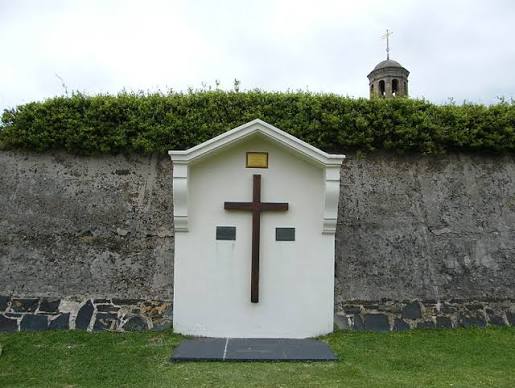
A wooden cross (made from a Scots Pine) originally from the Delville Wood battlefield in France during World War I stands in Pietermaritzburg, South Africa (often associated with the Talana Museum or a local memorial site). It “weeps” sap annually, typically from late June through the end of July—coinciding with the anniversary of the Battle of Delville Wood (primarily 15–20 July 1916, part of the larger Battle of the Somme).
Quick Background
- The Battle: On 15 July 1916, the South African Brigade (about 3,000+ men) was ordered to capture and hold Delville Wood. They faced intense German artillery and counterattacks in brutal fighting. By the time they were relieved around 20 July, only around 700–750 survived unwounded. It became a symbol of South African sacrifice in WWI.
- The Cross: This particular cross is one of a few brought back from the battlefield. It’s the only one known to exhibit this seasonal “weeping” of resin/sap, which has been observed for over a century.
Why Does It Weep?
Explanations are a mix of the practical and the poignant:
- Scientific: The wood (still somewhat resinous pine) responds to seasonal humidity, temperature changes, or barometric pressure around that time of year, causing sap/resin to exude from the grain or joints. Experts have examined it, but no fully definitive “non-miraculous” cause has ended the discussion.
- Cultural/Historical: Many see it as a moving tribute or “remembrance” of the fallen soldiers, especially given the timing. Myths and emotional stories surround it, fitting its status as a war memorial.
It’s still viewable today and continues to draw attention, especially around mid-July commemorations. If you’re in the area or interested in photos/articles, sites like The Heritage Portal or local South African history resources have good coverage. A solemn but fascinating piece of South African military heritage.