





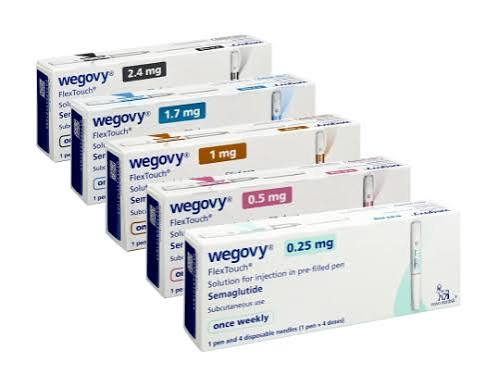
Wegovy (semaglutide) is a prescription medication primarily used for chronic weight management in adults with obesity (BMI ≥30) or overweight (BMI ≥27) with at least one weight-related condition (e.g., hypertension, type 2 diabetes, dyslipidemia, or obstructive sleep apnea). It is also approved to reduce the risk of major cardiovascular events (like heart attack, stroke, or death) in adults with known heart disease who are obese or overweight.
It mimics the glucagon-like peptide-1 (GLP-1) hormone, which regulates appetite, slows gastric emptying, increases feelings of fullness, and helps control blood sugar. This leads to reduced calorie intake and weight loss when combined with a reduced-calorie diet and increased physical activity.
Forms and Dosing
- Injection: Once-weekly subcutaneous injection (pen). Standard maintenance dose is 2.4 mg; a higher-dose version (Wegovy HD 7.2 mg) was FDA-approved in March 2026 for potentially greater results.
- Pill (tablet): Once-daily oral form, a newer needle-free option. Doses include options like 1.5 mg, 4 mg, 9 mg, or higher (e.g., 25 mg in studies).
Dosing typically starts low and titrates up over weeks to minimize side effects.
Effectiveness
Clinical trials (e.g., STEP program) show substantial weight loss:
- Injection (2.4 mg): Average ~14.9% body weight loss (about 34–35 lbs from a 232 lb starting weight) after 68 weeks vs. ~2.4% with placebo. Many maintain significant loss at 2 years.
- Higher-dose 7.2 mg injection: Up to ~20–21% average loss in trials (e.g., STEP UP), with more people achieving 25%+ loss.
- Oral pill: Around 13–17% average loss (e.g., ~14% in OASIS trials), slightly less than the top injectable doses but still clinically meaningful.
Real-world nuances: Results vary by adherence, diet/exercise, starting weight, and comorbidities. Weight loss often plateaus, and most people regain much of it upon discontinuation. It’s not a standalone “quick fix”—lifestyle changes are essential. Benefits extend beyond weight, including improved cardiometabolic health.
Comparisons:
- Vs. Ozempic: Same active ingredient (semaglutide), but Ozempic is primarily for type 2 diabetes (lower doses); Wegovy for weight management (higher doses).
- Vs. Mounjaro/Zepbound (tirzepatide): Tirzepatide (dual GLP-1/GIP agonist) often produces greater average weight loss (~15–22%+) in head-to-head or similar trials. It may be an alternative if semaglutide response is inadequate.
Side Effects and Safety
Common (often mild-moderate, especially during dose escalation): Nausea, diarrhea, vomiting, constipation, abdominal pain, fatigue, headache, bloating, heartburn, and hair loss. These frequently improve over time.
Serious risks (black box warning):
- Possible thyroid C-cell tumors (seen in rodents; human risk unclear—avoid in those with personal/family history of medullary thyroid carcinoma or MEN 2).
- Pancreatitis, gallbladder issues (e.g., cholelithiasis), hypoglycemia (especially with diabetes meds), kidney problems, and diabetic retinopathy complications.
- Not recommended in severe gastroparesis or during pregnancy (stop at least 2 months before planned pregnancy).
GI side effects lead to discontinuation in ~5–16% of users. Monitoring by a healthcare provider is crucial. Long-term data (e.g., STEP 5) supports sustained use for many, but individual responses differ.
Who should avoid or use caution? History of pancreatitis, thyroid issues, severe GI disease, or certain medications. Not approved for cosmetic weight loss in those at healthy BMI.