




Early Life and Career
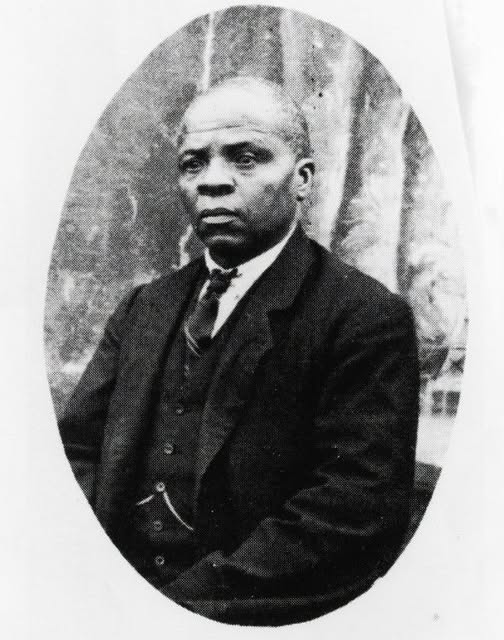
Born in the Orange Free State (now part of South Africa) to Barolong parents, Plaatje received a mission education and quickly developed exceptional linguistic skills. He was fluent in Setswana, Sesotho, English, and Dutch, and had proficiency in several other languages including Xhosa, German, Zulu, and others. He worked as an interpreter, journalist, and editor (notably of the Tswana-language newspaper Tsala ea Batho), and served as a court interpreter during the Siege of Mafeking in the Second Boer War (1899–1902).
Political Activism
Plaatje was a founding member and the first General Secretary of the South African Native National Congress (SANNC) in 1912, which later evolved into the African National Congress (ANC). He played a key role in opposing racial discrimination and land dispossession.
In 1913, following the passage of the Natives’ Land Act (which severely restricted Black land ownership), he joined a SANNC delegation to Britain to petition the Imperial Government. He later traveled to Canada and the United States, where he engaged with figures like Marcus Garvey and W.E.B. Du Bois.
Major Writings and Contributions
- Native Life in South Africa (1916): His most famous non-fiction work, a powerful critique of the Land Act and the conditions faced by Black South Africans. It combined journalism, political analysis, and personal observation.
- Mhudi (written 1919, published 1930): The first novel in English by a Black South African. It is an epic historical romance set in the 19th century, drawing on Tswana oral traditions and addressing themes of conflict, resilience, and colonialism.
- He translated several Shakespeare plays into Setswana (notably Julius Caesar and Comedy of Errors), collected proverbs and folktales, and documented Setswana language and culture.
- His Boer War Diary was published posthumously.
Legacy
Plaatje was a multifaceted pioneer who bridged African oral traditions with Western literary forms while advocating for Black rights during the early years of formalized segregation in South Africa. He died in 1932 in Kimberley. Today, he is honored through the Sol Plaatje University in Kimberley and the Sol Plaatje Local Municipality, reflecting his enduring importance in South African history and the anti-apartheid struggle.
His life exemplifies early 20th-century Black South African resistance through intellect, writing, and diplomacy rather than armed struggle.