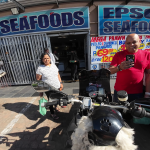





Umlazi is one of South Africa’s largest and most vibrant townships, located in KwaZulu-Natal, just south-west of Durban (about 15-18 km from the city centre). It’s part of the eThekwini Metropolitan Municipality and sits along the Mlazi (Umlazi) River, with sections stretching across hilly terrain. Key Facts Population: The official 2011 census recorded around 404,811 residents in the main area (density ~8,500 people/km² over ~47 km²). Many locals and sources estimate the current population (including informal settlements) at over 1 million, making it one of the biggest townships in the country. Ranking: It’s typically the fourth largest township in South Africa (after Soweto, Tembisa, and Katlehong), though some residents proudly claim it’s among the top or even bigger in effective size due to rapid growth. Unique feature: Umlazi is the only township with its own vehicle registration plate prefix — NUZ. History The name “Umlazi” comes from Zulu tradition: King Shaka reportedly tasted the local river water and described it as tasting like “umlaza” (sour fermented milk), giving the area its name. Early history: The site was used by American missionaries in 1836 and later became an Anglican mission reserve in 1856. Apartheid era: It was officially opened to Black South African residents in 1965 (many relocated from areas like Cato Manor in Durban), and formally established as a township in 1967. It gained town status in 1973. Post-apartheid: It integrated into the broader Durban municipal area and has grown into a diverse, bustling urban zone with a mix of formal housing, informal settlements, industries, and institutions. Today Umlazi is a dynamic community with a strong cultural heartbeat — known for its resilience, community spirit, markets, street food (like grilled maize), events, and local pride. It hosts Mangosuthu University of Technology and has industries producing beverages, clothing, wood products, and more. Like many large townships, it features contrasts: some more affluent sections alongside informal areas facing challenges like unemployment, food insecurity, and limited land for urban farming. Community initiatives, festivals, sports events, and township tours highlight its vibrant side and history.